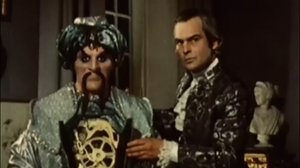
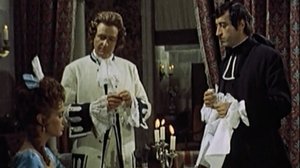
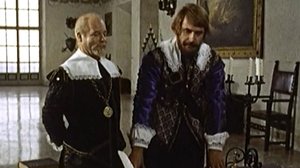
After the death of Louis XIII, the Duc de Beaufort, the late king's legitimate nephew, continued to intrigue against Mazarin. Mazarin, supported by the Queen who saw in him a man of government, imprisoned the Duke in the Château de Vincennes, where he remained for five years. But his friends, the Condés and the Duchesse de Montbazon, tried to free him. Mazarin and the Queen laughed at an astrologer's prediction that the escape would take place on Whit Sunday 1649. And yet, the Duc de Beaufort received unexpected support even in his own prison.

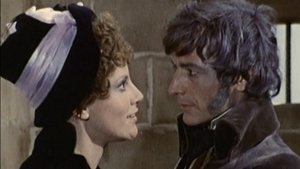
In Paris, in the spring of 1815, Count Antoine Marie Charmans de Lavalette learns that Napoleon has landed at Golfe-Juan. Without delay, Bonaparte's former aide-de-camp helped organize the Emperor's grand return. But things went badly wrong: after the defeat at Waterloo and the return of Louis XVIII to the throne, the white terror set in. Lavalette, one of the first outlaws, was arrested, tried and sentenced to death, before being executed on December 21, 1815.