Loading player...
Journeys Through French Cinema
S1 E1- My Go-To Filmmakers, Part 1
8.5
2017
1 Seasons
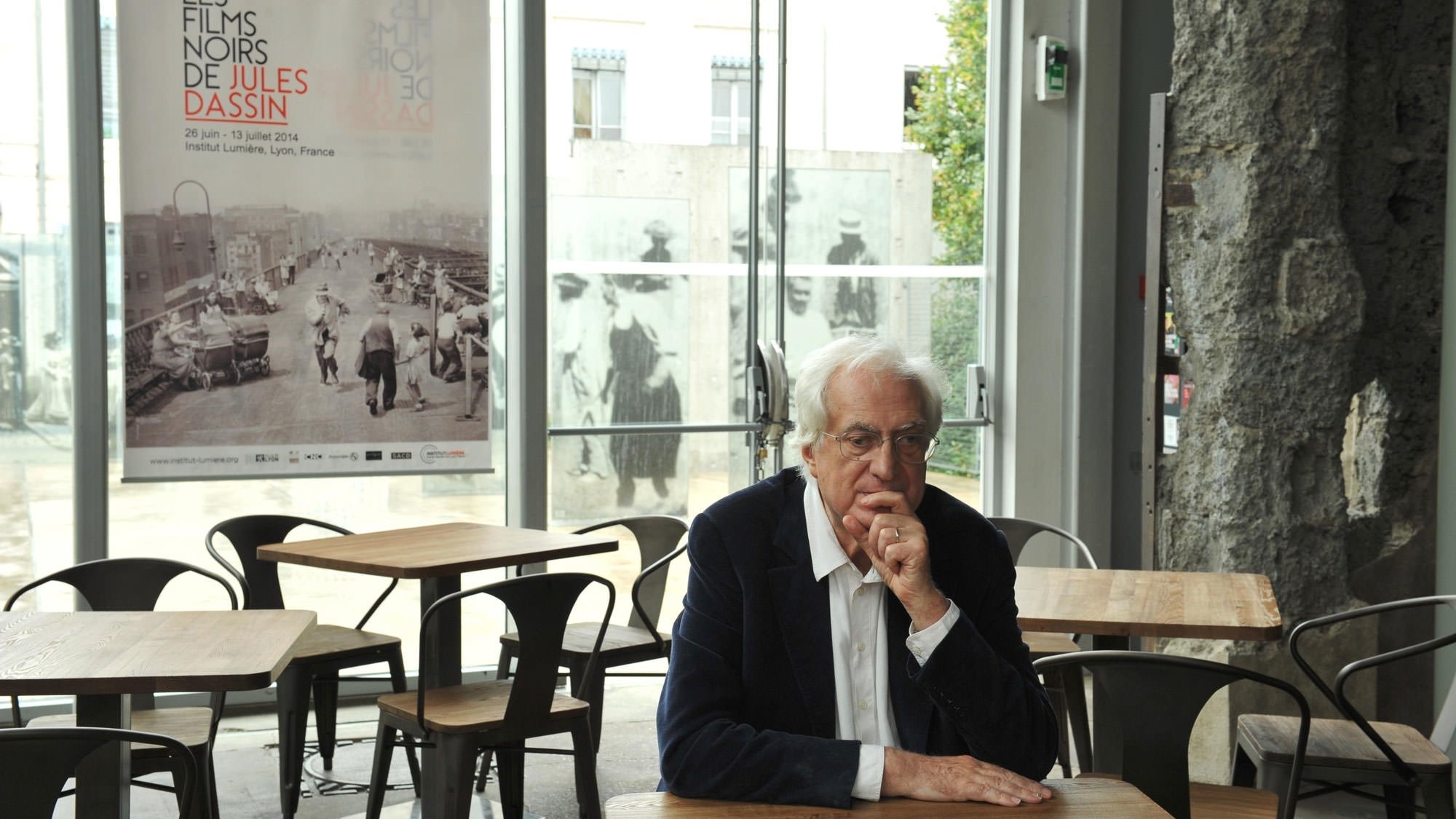
In the first episode of this expansive series, Bertrand Tavernier discusses the directors who have both influenced him personally and impacted French Cinema at large. The journey begins with Jean Grémillon, whose film LE CIEL EST À VOUS (1944) Tavernier first saw at age 17 and was immediately smitten. Still under-appreciated outside of France, Tavernier extols the virtues of Grémillon’s emotional realism and stakes out a place for him in the canon as an unsung master. Next, he surveys the ouevre of Max Ophüls—from his American-made titles THE EXILE and THE RECKLESS MOMENT to beloved classics like LA RONDE and LOLA MONTES - before concluding with a discussion of Henri Decoin, whom Tavernier admires for his feminist-leaning narratives like LA VERITÉ SUR BÉBÉ DONGE and his noteworthy collaborations with composers.
Seasons
Episodes
1. My Go-To Filmmakers, Part 1
56mIn the first episode of this expansive series, Bertrand Tavernier discusses the directors who have both influenced him personally and impacted French Cinema at large. The journey begins with Jean Grémillon, whose film LE CIEL EST À VOUS (1944) Tavernier first saw at age 17 and was immediately smitten. Still under-appreciated outside of France, Tavernier extols the virtues of Grémillon’s emotional realism and stakes out a place for him in the canon as an unsung master. Next, he surveys the ouevre of Max Ophüls—from his American-made titles THE EXILE and THE RECKLESS MOMENT to beloved classics like LA RONDE and LOLA MONTES - before concluding with a discussion of Henri Decoin, whom Tavernier admires for his feminist-leaning narratives like LA VERITÉ SUR BÉBÉ DONGE and his noteworthy collaborations with composers.