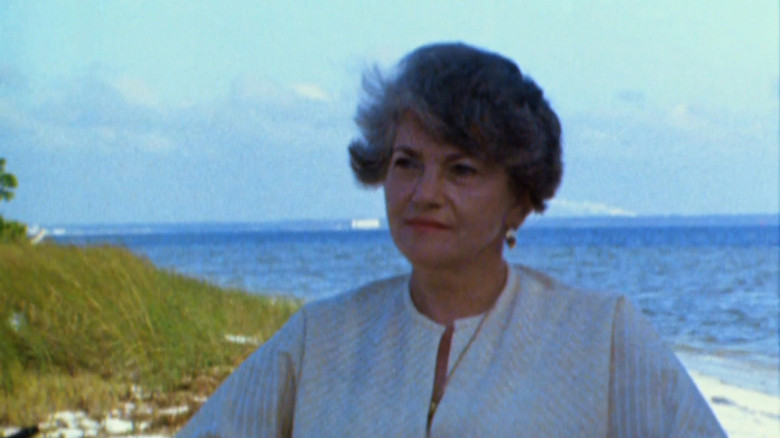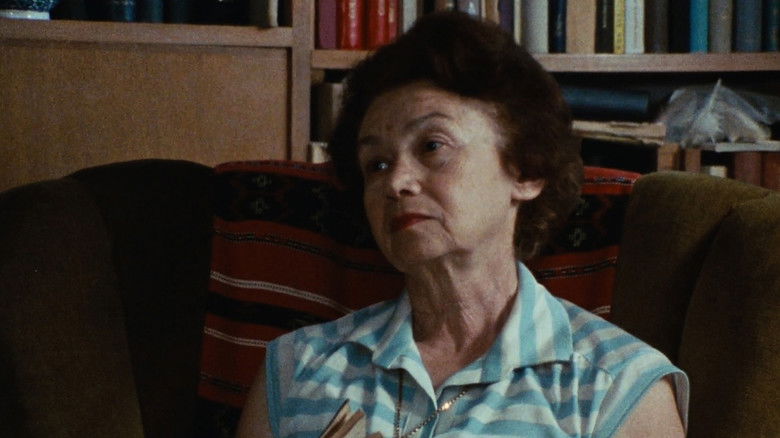
Ruth Elias was 17 when the Nazis occupied Czechoslovakia in March 1939. After three years of hiding on a farm, the family was denounced and deported in to the Theresienstadt camp in April 1942. During the winter of 1943, Ruth found out she was pregnant – she then learned that she would be part of a convoy to Auschwitz. During a selection in June 1944 – when she was 8 months pregnant – she managed to be part of 1000 women sent to clear rubble at a refinery that had been bombed in Hamburg.
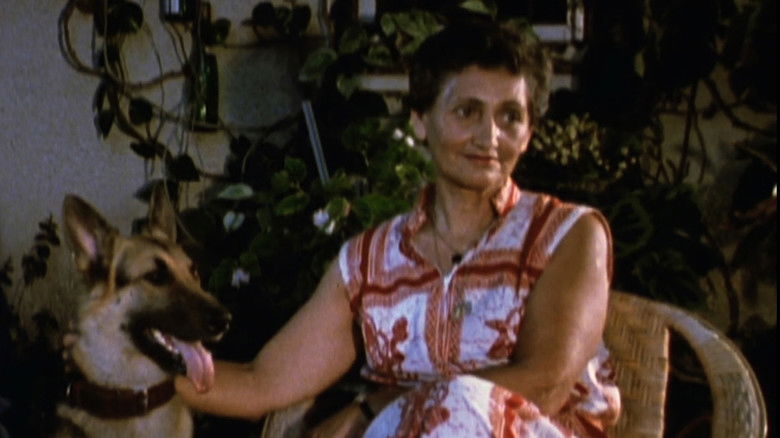
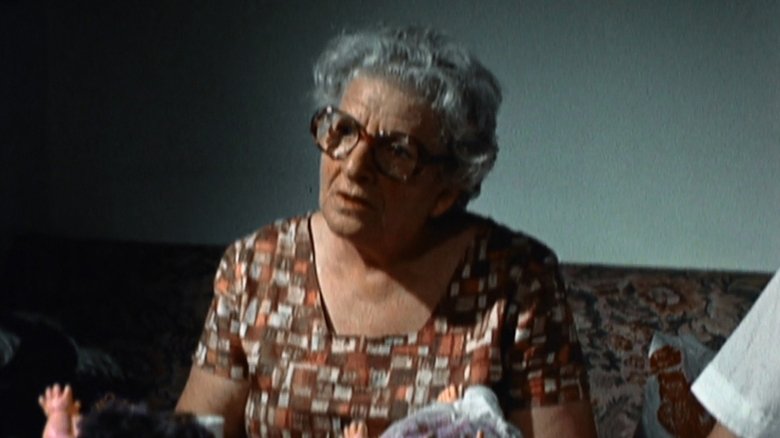
Ada Lichtman was faced with absolute horror from the start: the day the Germans invaded Poland, all the men in Wieliczka – a little town near Kracow where she lived – were rounded up by the Germans, driven to a nearby forest and executed. Ada Lichthman explains how, after being transported to Sobibór, one of her tasks included washing and dressing dolls stolen from Jewish children on the transport that could then be passed on to Nazi officers. It’s a small anecdote among many, but one that succinctly locates the trauma of reliving the bizarre meld of cruelty and irrationality that these [Four Sisters] films examine with unshowy virtuosity.