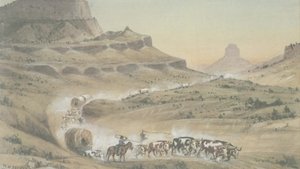
The geology of the Great Plains is a product of long epochs of sedimentary build-up followed by equally long epochs of erosion. The result today is a dramatic landscape of bluffs, pinnacles and badlands that contain the rich story, of ancient sea creatures, dinosaurs and long extinct, giant land mammals. But it was the rising up of the Black Hills in the vast Great Plains that created incredibly dramatic geological features. Chapter 1: Devils Tower National Monument (Wyoming) Chapter 2: Jewel Cave National Monument (South Dakota) Chapter 3: Agate Fossil Beds National Monument (Nebraska)
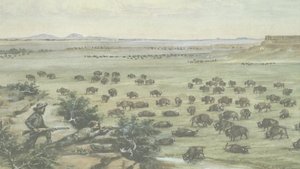
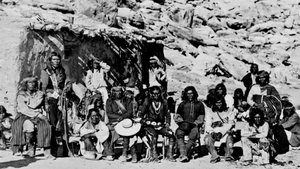
The Northern Great Plains stretch from Minnesota in the east to the Rocky Mountains in the West. During the 19th century, this vast land of prairie grass and buffalo was the domain of the Sioux Indian Nation . . . a nation that would soon be at the heart of the Plains Indian wars. Chapter 1: Pipestone National Monument (Minnesota) Chapter 2: Little Bighorn Battle Site National Monument (Montana)