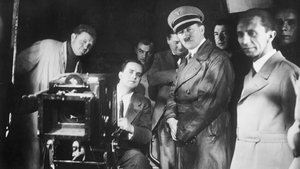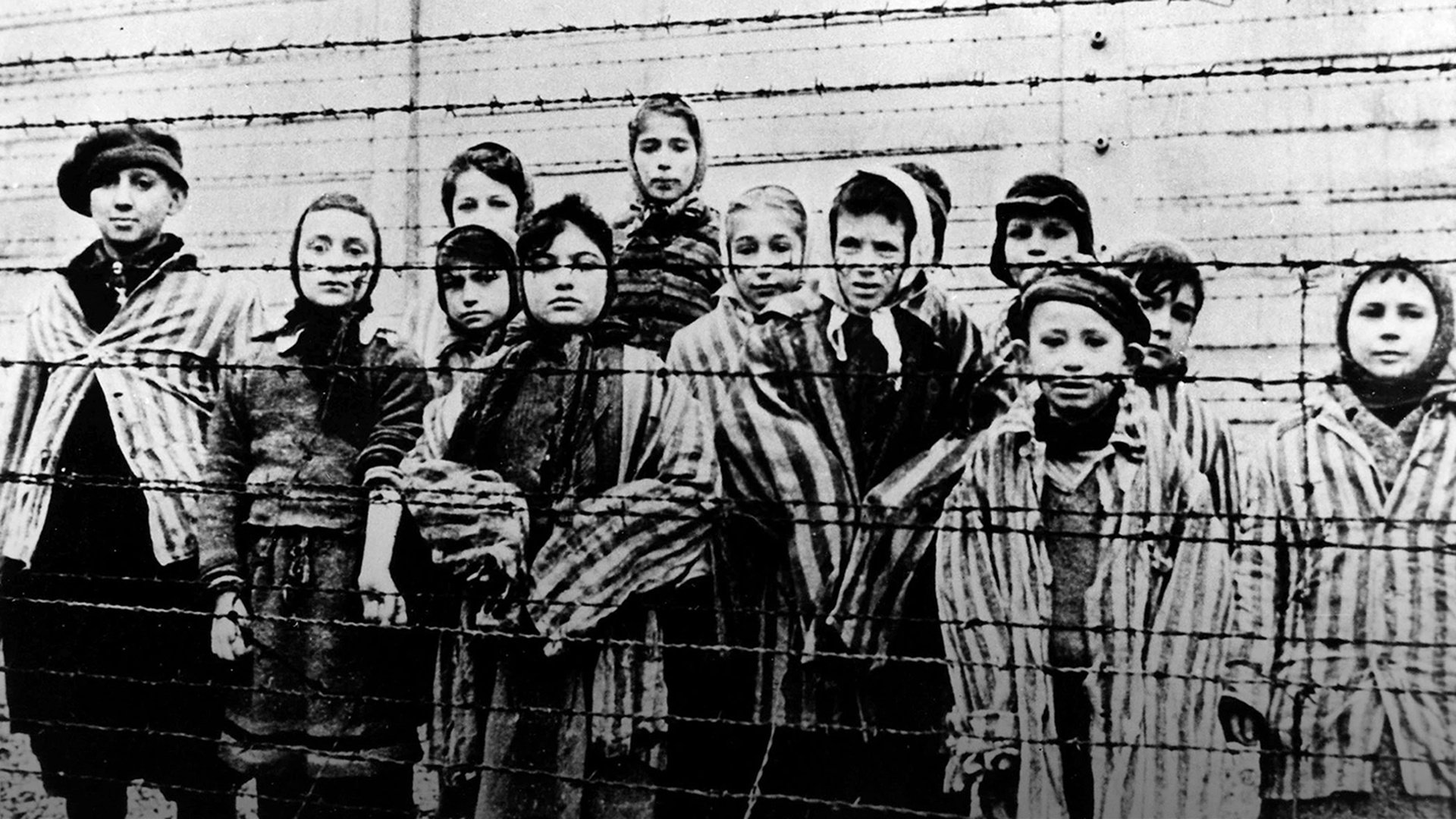
Germany, 1933. Adolf Hitler, at the head of the Nazi Party, has just become Chancellor and is faced with leading a republic in the throes of economic crisis and rampant inflation. Hitler used the cult of personality nurtured by his propaganda chief Joseph Goebbels, who spread the Nazi?s xenophobic and anti-Semitic ideology which Hitler had been touting since the First World War and which he reiterated in Mein Kampf: the Jews, he claimed, were part of an international conspiracy against Germany.
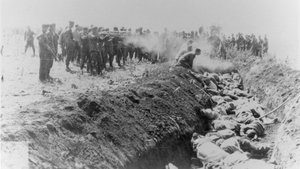
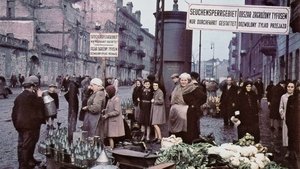
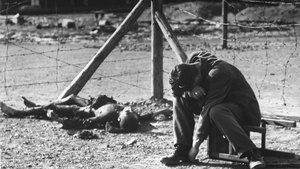
In 1938, the Third Reich, which had just annexed Austria, was applying a policy of systematic expulsion of foreign Jews resident on its territory. By 1 January 1939, there were no longer any Jewish businesses on Reich soil. The situation of German Jews grew worse: banished from German society, demonized by the regime, they were presented as the enemy within, but no longer had any possibility of leaving the country. The invasion of Poland by the Reich, on 1 September 1939, dragged Europe into the Second World War but war was just the start of the horror that was to come.