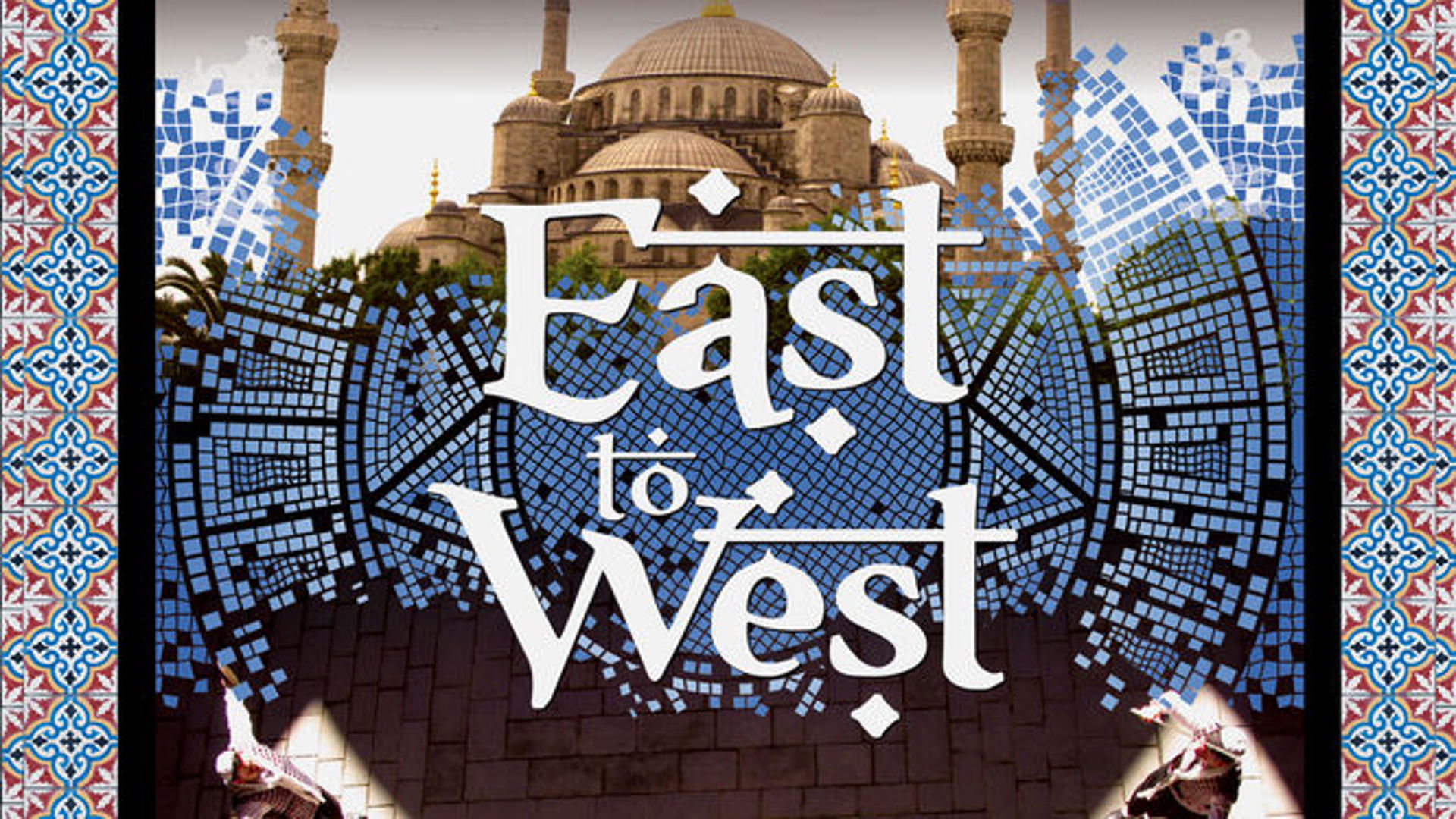
This episode follows the birth of civilization in Anatolia and the Middle East. We go back to the very beginnings; hunter-gatherers pause in Gobekli Tepe and start to build the world’s first structures around 12,000 years ago. We follow the first stages of civilization: the rise of agriculture, governance and writing in Mesopotamia. We visit ancient Babylon (Iraq) and Mari (Syria) to explore the world’s earliest cities. The latter part of the episode explores Alexander’s arrival in Troy and his conquest of the Persian Empire – a journey that made him realise what he owed to the East. In Miletus remarkable new finds show that the Greek god Aphrodite began as the eastern god Ishtar.
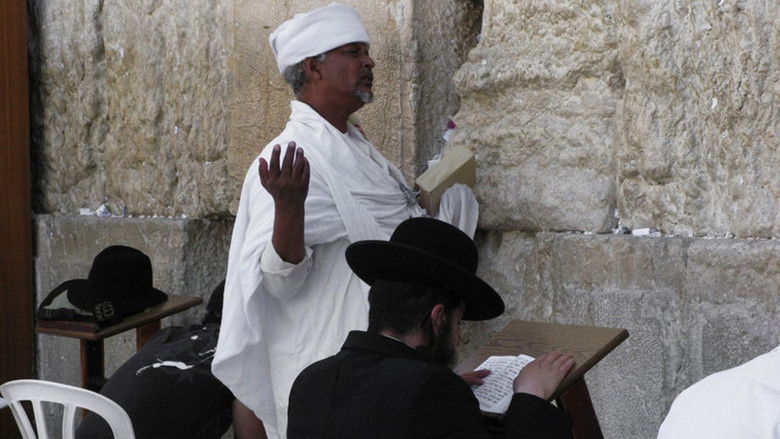
Today one god is worshipped by two thirds of humanity. It is the culmination of an extraordinary story by which a single deity emerged from a pantheon of thousands in the crucible of religious ideas that was the ancient Middle East. In this episode we trace the birth, development and explosion of the religion of Abraham and Moses, from its very beginnings in Judaism to its triumph as Christianity within the Roman Empire. We also look at the earliest form of monotheism, as devised by Akhenaten in ancient Egypt.