Loading player...
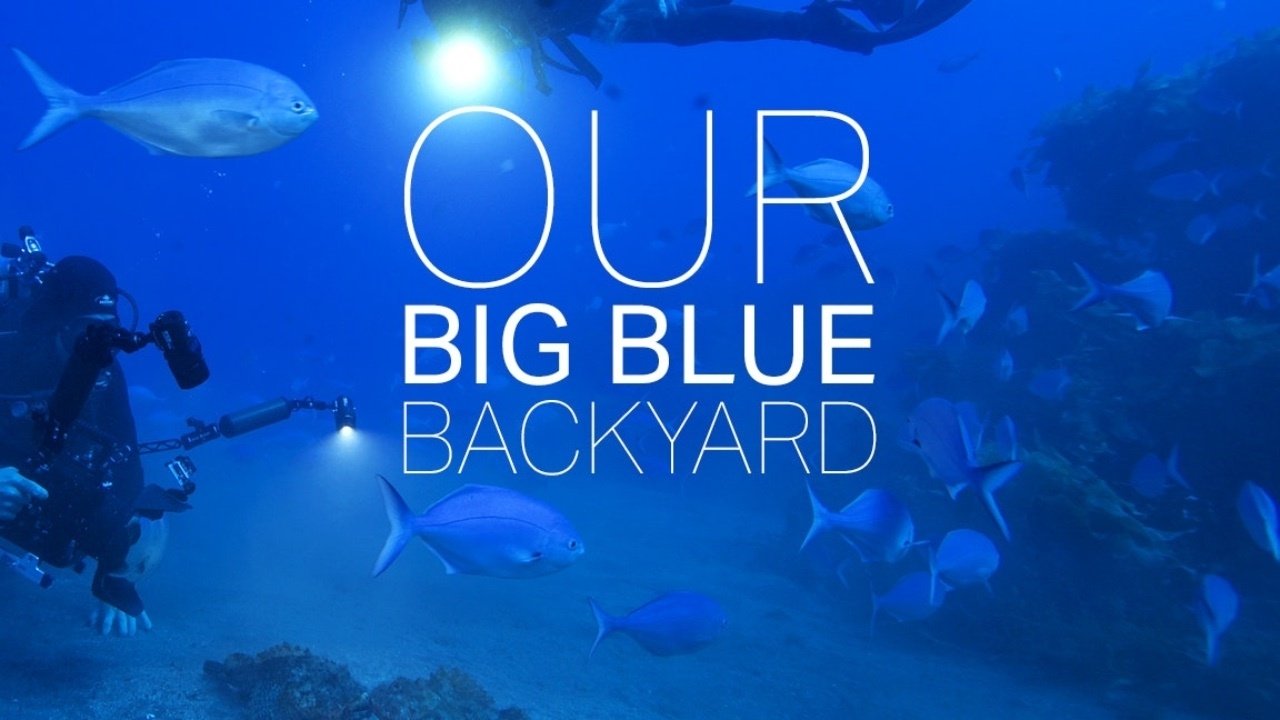
Our Big Blue Backyard
S1 E1- Northland
7.0
2014
2 Seasons
As the tide rises in New Zealand's Northland Harbours, Stingrays and Eagle rays swim in to feast on shellfish. But they are not the top of the food chain. Only in New Zealand, and only in these harbours do Orca hunt rays. Trapped in the shallows, the rays breach the surface and swim for their lives, as the Orca pursue – with a highly evolved practice for avoiding the rays' stinging tail.
Seasons
Episodes
1. Northland
45mAs the tide rises in New Zealand's Northland Harbours, Stingrays and Eagle rays swim in to feast on shellfish. But they are not the top of the food chain. Only in New Zealand, and only in these harbours do Orca hunt rays. Trapped in the shallows, the rays breach the surface and swim for their lives, as the Orca pursue – with a highly evolved practice for avoiding the rays' stinging tail.