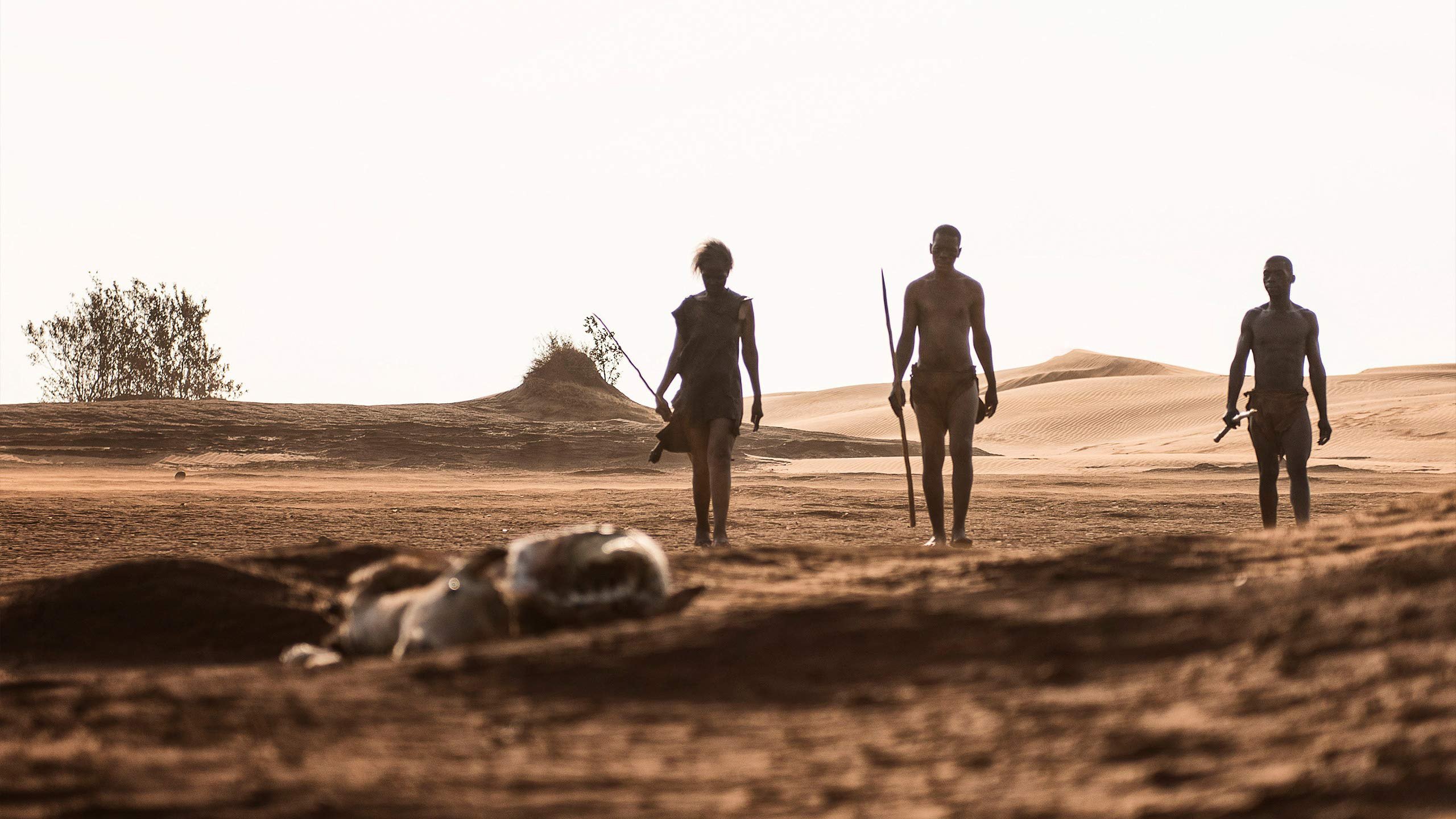


As early humans spread out across the world, their toughest challenge was colonizing the Americas — because a huge ice sheet blocked the route. It has long been thought that the pioneers, known as Clovis people, arrived about 13,000 years ago, but an underwater discovery in Mexico suggests people arrived earlier than previously thought — and by boat, not on foot. How closely related were these First Americans to today’s Native Americans? It’s a controversial matter, focused on Kennewick Man. Few other skeletons engender such strong feelings.


Around 200,000 years ago, a new species, Homo sapiens, appeared on the African landscape. While scientists have imagined eastern Africa as a real-life Garden of Eden, the latest research suggests humans evolved in many places across the continent at the same time. DNA from a 19th-century African-American slave is forcing geneticists to re-think the origins of our species. The theory is that our ancestors met, mated and hybridized with other human types in Africa — creating ever greater diversity within our species.