Loading player...
Wildest India
S1 E1- Thar Desert: Sacred Sands
6.7
2012
1 Seasons
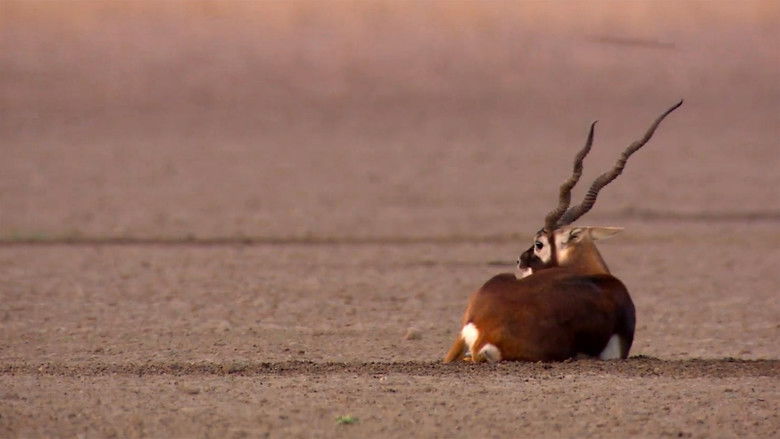
Covering 200,000 square kilometers, India’s Thar Desert is one of the harshest places on the planet. Baking heat, desiccating winds and near permanent drought has earned this unforgiving land another name – “the region of death.” As we explore India’s great desert we unveil its hidden secrets, and ultimately shed light as to how the Thar has become the most crowded desert in the world.
Seasons
Episodes
1. Thar Desert: Sacred Sands
N/ACovering 200,000 square kilometers, India’s Thar Desert is one of the harshest places on the planet. Baking heat, desiccating winds and near permanent drought has earned this unforgiving land another name – “the region of death.” As we explore India’s great desert we unveil its hidden secrets, and ultimately shed light as to how the Thar has become the most crowded desert in the world.