Loading player...
Dinosaur Revolution
S1 E1- Evolution's Winners
7.0
2011
1 Seasons
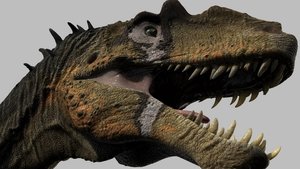
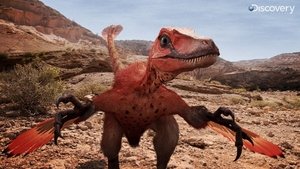
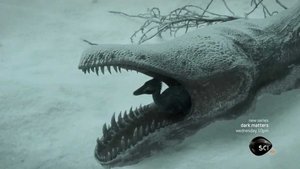
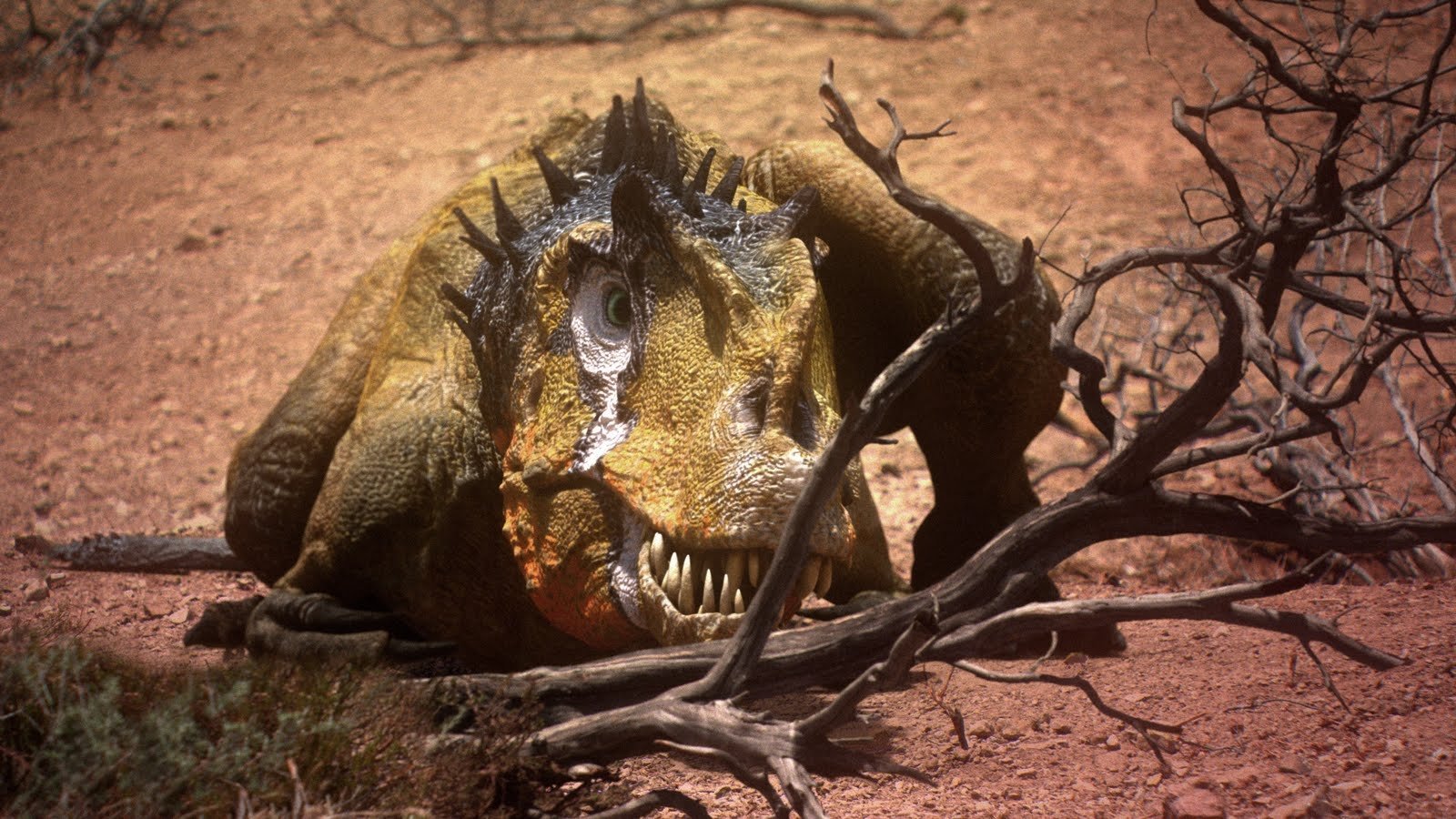
Everything you thought you knew about dinosaurs is wrong! In the past few decades, there has been a revolution in how scientists view dinosaurs. Recent developments in the study of dinosaur culture reveal they are much more active, complex and colorful than we ever imagined - ”more like birds than sluggish reptiles. This episode highlights new discoveries that shed light on the evolution from early dinosaurs such as the tiny Eoraptor to the bizarre looking crested dinosaurs of the Jurassic to the giant carnivores such as Tyrannosaurus Rex. We'll see the mating rituals of Eoraptor and a battle between two crested Cryolophosaurs in the forests of Jurassic Antarctica. Witness the special adaptations of Gigantoraptor, a dinosaur resembling a 17-foot tall turkey with brightly colored feathers, and the huge marine reptile Mosasaurus fights off a pack of voracious sharks to protect her offspring.
Seasons
Episodes
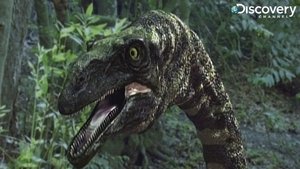
1. Evolution's Winners
42mEverything you thought you knew about dinosaurs is wrong! In the past few decades, there has been a revolution in how scientists view dinosaurs. Recent developments in the study of dinosaur culture reveal they are much more active, complex and colorful than we ever imagined - ”more like birds than sluggish reptiles. This episode highlights new discoveries that shed light on the evolution from early dinosaurs such as the tiny Eoraptor to the bizarre looking crested dinosaurs of the Jurassic to the giant carnivores such as Tyrannosaurus Rex. We'll see the mating rituals of Eoraptor and a battle between two crested Cryolophosaurs in the forests of Jurassic Antarctica. Witness the special adaptations of Gigantoraptor, a dinosaur resembling a 17-foot tall turkey with brightly colored feathers, and the huge marine reptile Mosasaurus fights off a pack of voracious sharks to protect her offspring.