The first episode begins in 1420 when Ming China had a credible claim to be the most advanced civilization in the world: 'All Under Heaven'. England on the eve of the Wars of the Roses would have seemed quite primitive by contrast. Yet the lead that China had established in technology was not to be translated into sustained economic growth. In China a monolithic empire stifled colonial expansion and economic innovation. In Europe political division bred competition. The question for our own time is whether or not we have lost that competitive edge to a rapidly ascending Asia.
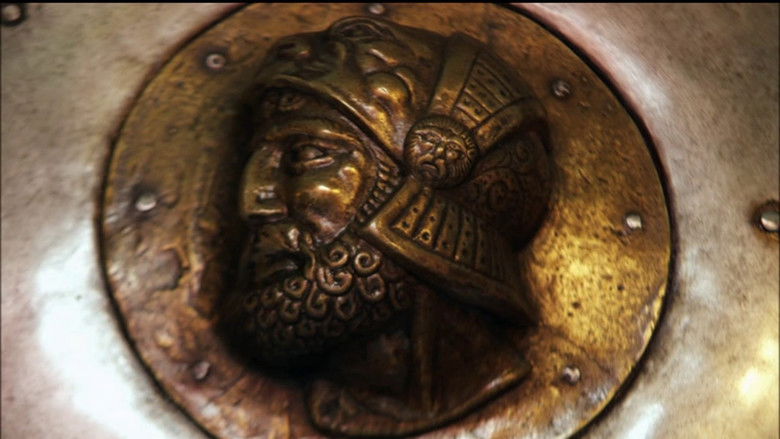
In 1683 the Ottoman army laid siege to Vienna, the capital of Europe's most powerful empire. Domination of West by East was an alarmingly plausible scenario. But the Ottoman army was defeated: not so much by firepower as by science. Ferguson asks why the Islamic world didn't participate in the Scientific Revolution and the Enlightenment, and if the West is still capable of maintaining its scientific lead at a time when educational attainment in science subjects is declining.