Loading player...
How Art Made The World
S1 E1- More Human than Human
8.7
2005
1 Seasons
Pictures of the human body fill our TV screens, magazines, billboards, almost our every waking moment. Through the ages artists have been obsessed with the human form. The range of bodies they have created is breathtaking, but yet they share one thing in common... none of these images resembles a real human being. So why is our modern world dominated by images of the body that are unrealistic?
Seasons
Episodes
1. More Human than Human
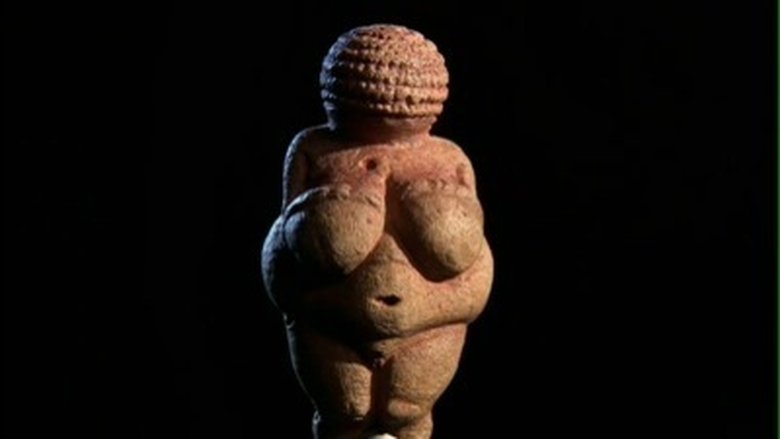
60mPictures of the human body fill our TV screens, magazines, billboards, almost our every waking moment. Through the ages artists have been obsessed with the human form. The range of bodies they have created is breathtaking, but yet they share one thing in common... none of these images resembles a real human being. So why is our modern world dominated by images of the body that are unrealistic?