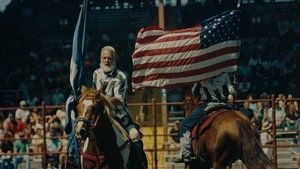
Martijn and Finbarr end up in the swamps of Louisiana, where enslaved people were helped by natives to escape. They meet Mardi Gras Indians, 'black natives'. These used to be street gangs that attacked each other, but now it's about who makes the most beautiful costumes. Angola Prison used to be a cotton plantation where enslaved people worked, but now prisoners work there. During the rodeo, the doors open to the public and everyone can see how young black inmates throw themselves in front of mad bulls in the hope of earning a few bucks. What is freedom when so many black people are imprisoned, often for decades?
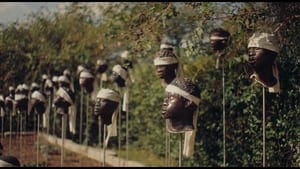
Martijn Blekendaal and Finbarr Wilbrink visit two former slave plantations. Finbarr goes to Oak Valley, which is a model for the romantic South and on which the film Gone with the Wind is based. Martijn goes to the Whitney Plantation, now a slavery museum where the story of oppression and exploitation is in stark contrast to the luxury and romance of Oak Valley. They end up in the magical location of Africatown, in the middle of a heavily polluted industrial area. This is where the descendants of the enslaved who came from the Clotilde, the last slave ship to arrive in America, live.