Loading player...
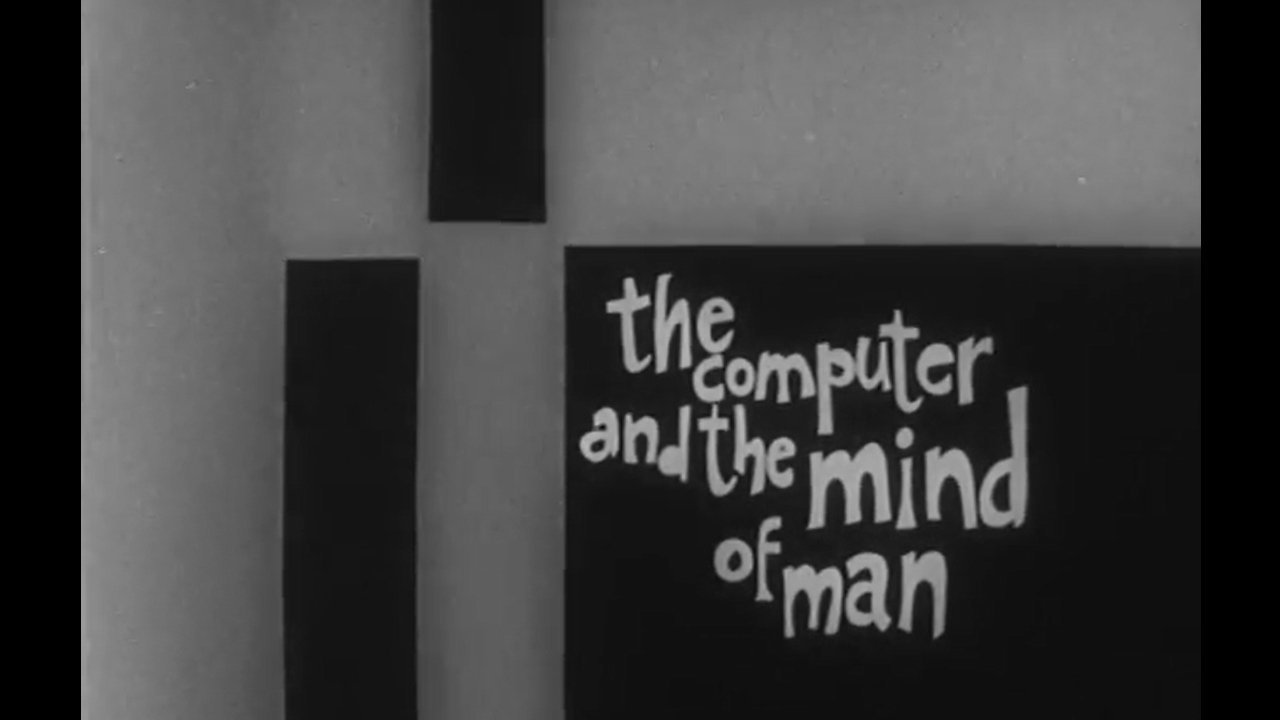
The Computer and the Mind of Man
S1 E1- Logic by Machine
0.0
1962
1 Seasons
The first program serves as a basic introduction to computers. Dr. Richard C. Hamming, research mathematician at Bell Telephone Laboratories, discusses the computer revolution – “speed, cost and effort favor the computer over the laboratory approach.” Dr. Ernest Nagel, a leading logician and philosopher at Columbia University, talks about the relationship of man and machine and the relationship of the symbolic world of mathematics to the real world of objects and events.
Seasons
Episodes
1. Logic by Machine
30mThe first program serves as a basic introduction to computers. Dr. Richard C. Hamming, research mathematician at Bell Telephone Laboratories, discusses the computer revolution – “speed, cost and effort favor the computer over the laboratory approach.” Dr. Ernest Nagel, a leading logician and philosopher at Columbia University, talks about the relationship of man and machine and the relationship of the symbolic world of mathematics to the real world of objects and events.