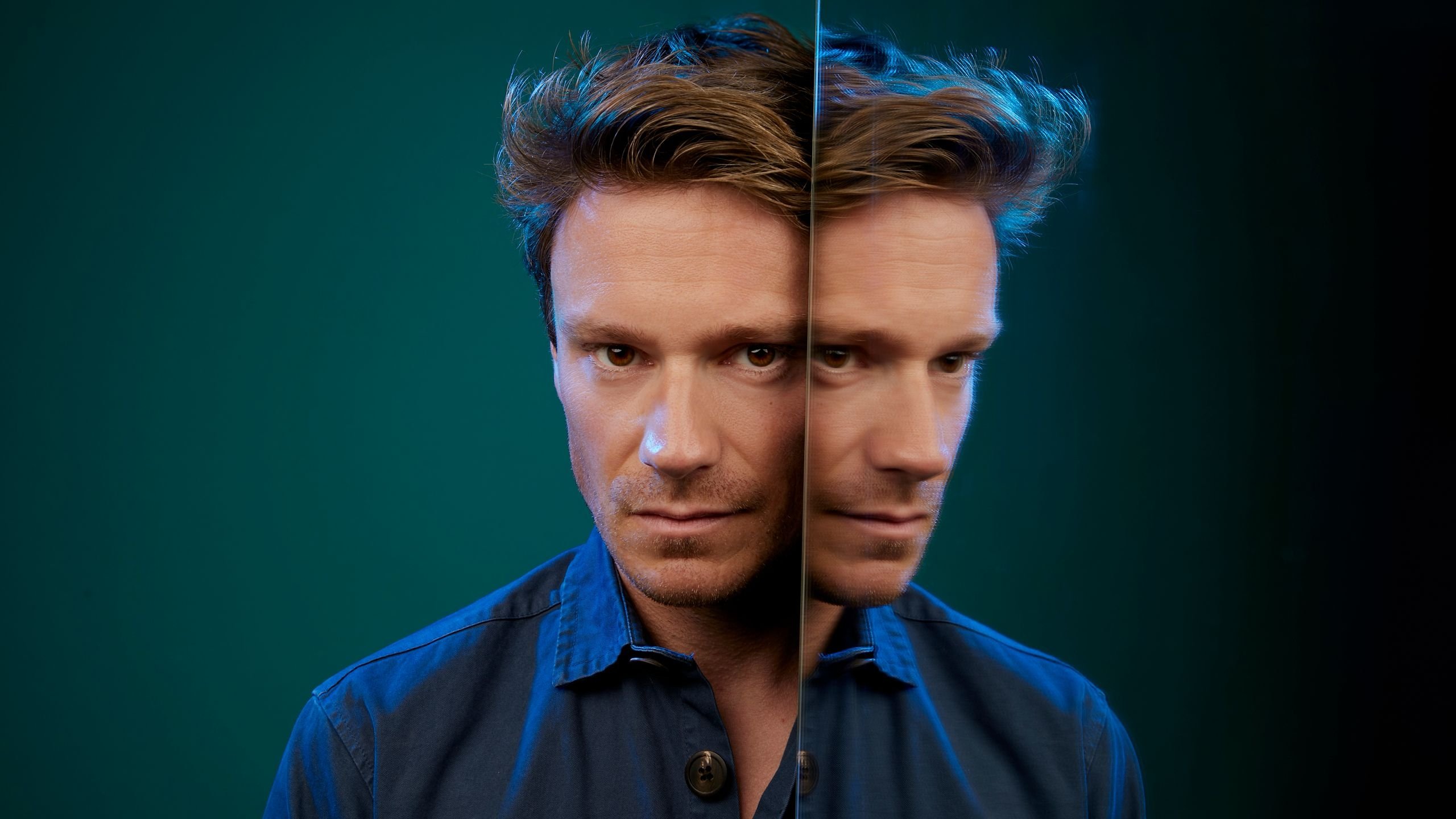
In the early days of the internet, we were promised more information, more connection and more democracy. Political and social media are now closely intertwined, but social media has become a hotbed of hate and intimidation. More and more politicians, activists and journalists feel limited in their actions. Can democracy still do its work? And how has the Internet, with its democratic promise, been able to disrupt society so much? Sander Schimmelpenninck is in The Hague and Rotterdam where he speaks with a young councilor, members of the House of Representatives, Sigrid Kaag and a former internet troll.
The truth on social media is missing and those who fight for the truth are in real danger. Such as journalist Willem Groeneveld, to whom Molotov cocktails are thrown in the mailbox by conspiracy theorists. How can a democracy function without truth? Sander talks to Bas van Sluijs, among others, with whom he ended up in an unnecessary online argument. He also speaks to Facebook whistleblower Frances Haugen about how the algorithm sacrifices the truth for profit. Meanwhile, in Berlin, social media moderators are standing up against their appalling working conditions.