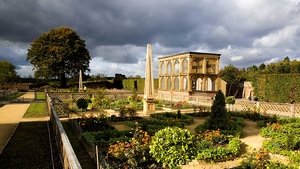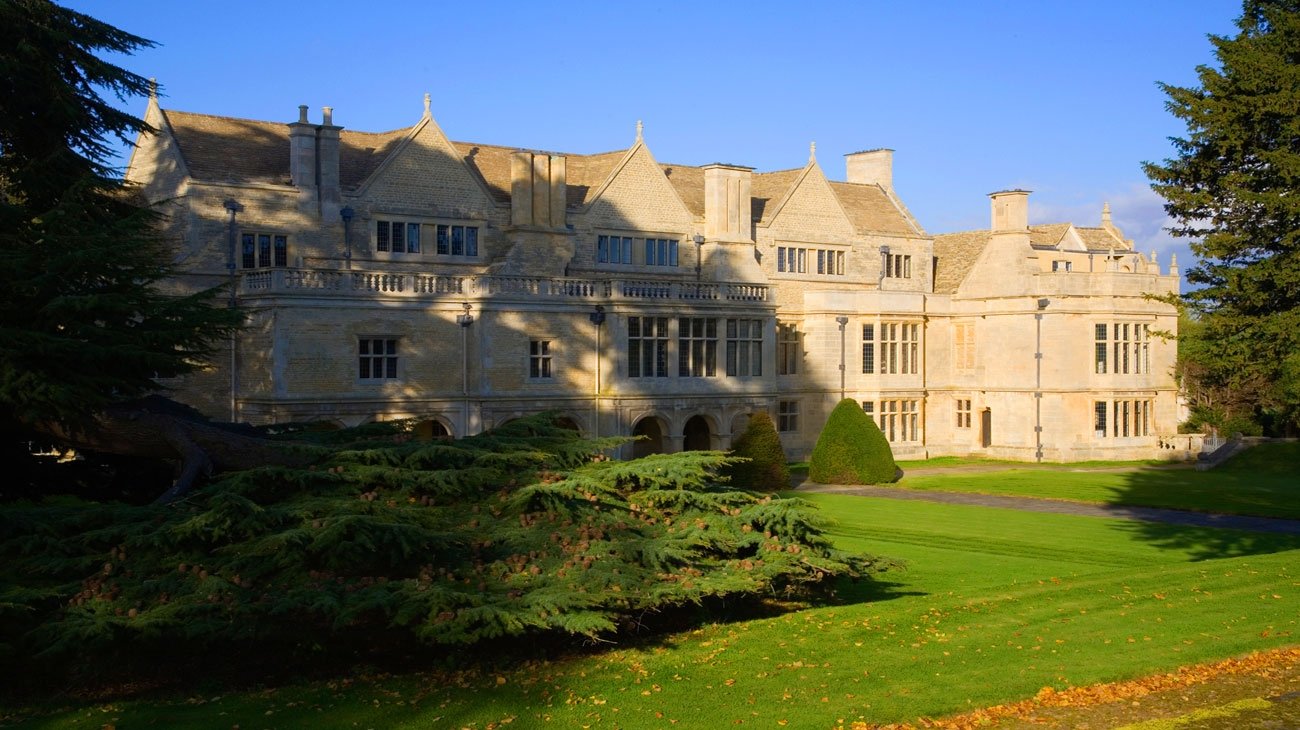
When new English Heritage chief executive Simon Thurley decided to buy Apethorpe Hall, a crumbling Jacobean palace hidden away in the Northamptonshire countryside, he was hoping to recoup an enormous investment of public money. But this behind-the-scenes look at the organisation shows that the experiment has been far from a roaring success. Four years down the line, having spent millions, Simon grudgingly admits the scale of the task has completely defeated him. With the state of the house as it is and the state of the property market, English Heritage can't sell it at any price and are now looking at a multimillion-pound loss.

Chief executive Simon Thurley's programme of modernisation leads to the project of saving Sheffield's Park Hill Estate, a crumbling 1950s monolith that dominated the city's skyline. The decision to list the site proved highly unpopular with the local population and plunged English Heritage into a bitter dispute, costing the taxpayer over ~£40 million. It also brought one of the UK's major property developers to the brink of collapse after the onset of the credit crunch meant they ran out of money. Could Thurley find a way forward to restore this eyesore?