Loading player...
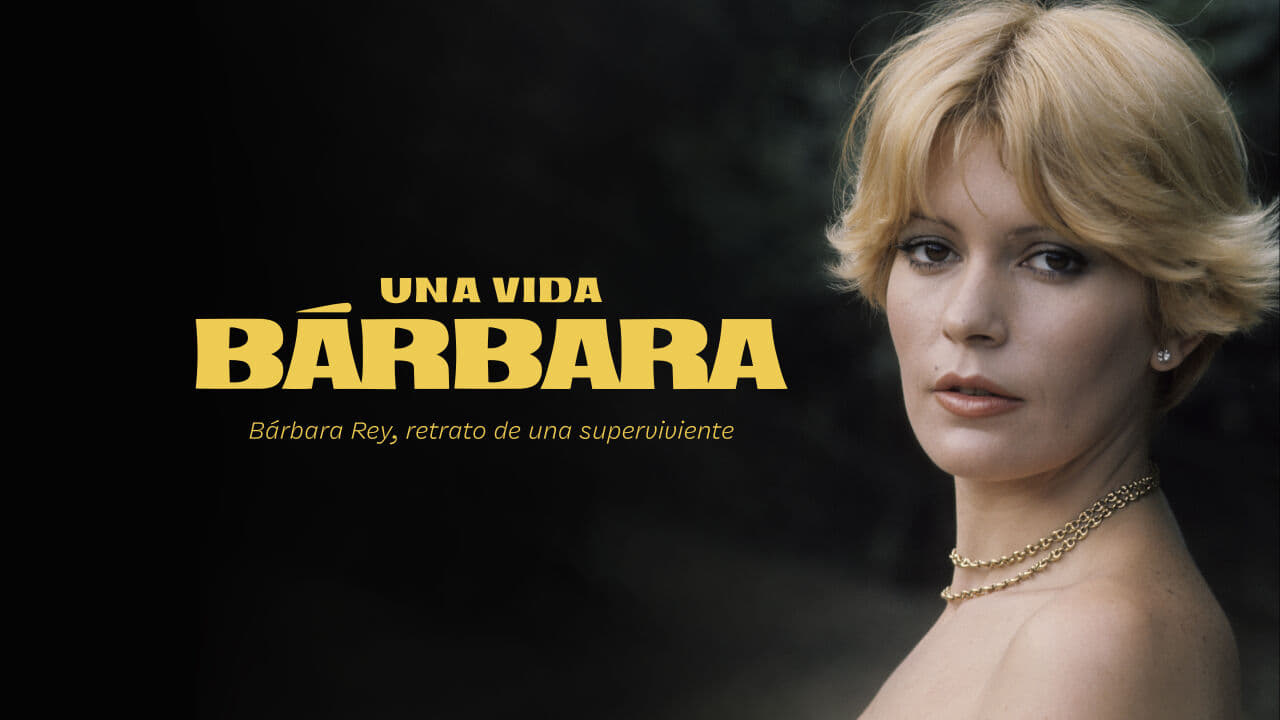
Una vida Bárbara
S1 E1- Episode 1
9.0
2023
1 Seasons
María García's childhood (1950) takes place in Totana, a town anchored in traditions and rural life. Since she was little, she suffers abuse from her mother and takes refuge in the figure of her father, who will help her fulfill her dream of becoming an artist. Having just turned eighteen, Maria leaves to Madrid accompanied by her father, seeking to fulfill her dream. Alone in the big city, she contacts the world of Madrid nightlife in the seventies and begins acting in well-known cafés-teatros. Her first youthful loves appear while she earns a living as a go-go artist, a model, and she lands small roles in movies. The big change in her life comes when she decides to leave her original name behind and change it to Bárbara Rey. From here, she gets more important roles in films, she is a victim of workplace harassment, she has a famous romance with Alain Delon and, finally, the great opportunity that she was waiting for as an artist arrives: presenting the 1976 New Year's Eve special.
Seasons
Episodes

1. Episode 1
49mMaría García's childhood (1950) takes place in Totana, a town anchored in traditions and rural life. Since she was little, she suffers abuse from her mother and takes refuge in the figure of her father, who will help her fulfill her dream of becoming an artist. Having just turned eighteen, Maria leaves to Madrid accompanied by her father, seeking to fulfill her dream. Alone in the big city, she contacts the world of Madrid nightlife in the seventies and begins acting in well-known cafés-teatros. Her first youthful loves appear while she earns a living as a go-go artist, a model, and she lands small roles in movies. The big change in her life comes when she decides to leave her original name behind and change it to Bárbara Rey. From here, she gets more important roles in films, she is a victim of workplace harassment, she has a famous romance with Alain Delon and, finally, the great opportunity that she was waiting for as an artist arrives: presenting the 1976 New Year's Eve special.