Loading player...
Ancient Egypt: Chronicles of an Empire
S1 E1- Lifeline Nile
7.7
2022
1 Seasons
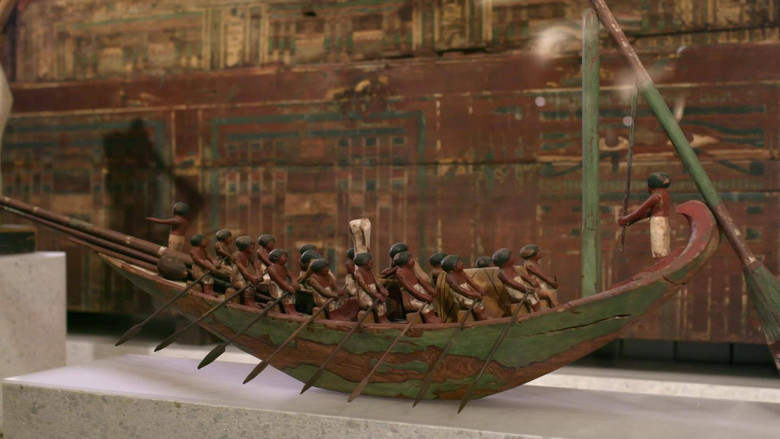
The Nile is Egypt’s lifeline. Its water transforms parched soils into productive farmland. The first houses and settlements are built from its mud. Yet, how did it all begin? From 5000 BC, desert nomads began to settle in the Nile Valley. Instead of wandering around as hunter-gatherers, they now practice agriculture and animal husbandry. The foundations for Egyptian civilization. As early as the 1st Dynasty, the land along the Nile is divided into smaller administrative units. But Egyptian administration would not have worked without another groundbreaking invention - writing - in the form of elaborately painted hieroglyphics. Yet, the pride and joy of the Egyptians is the Nile. It’s the country's most important trade route. Without this river, one of the most fascinating advanced civilizations in history would never have existed.
Seasons
Episodes
1. Lifeline Nile
50mThe Nile is Egypt’s lifeline. Its water transforms parched soils into productive farmland. The first houses and settlements are built from its mud. Yet, how did it all begin? From 5000 BC, desert nomads began to settle in the Nile Valley. Instead of wandering around as hunter-gatherers, they now practice agriculture and animal husbandry. The foundations for Egyptian civilization. As early as the 1st Dynasty, the land along the Nile is divided into smaller administrative units. But Egyptian administration would not have worked without another groundbreaking invention - writing - in the form of elaborately painted hieroglyphics. Yet, the pride and joy of the Egyptians is the Nile. It’s the country's most important trade route. Without this river, one of the most fascinating advanced civilizations in history would never have existed.