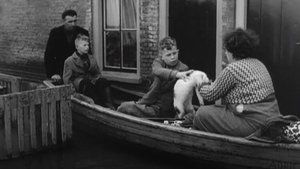
What exactly happened on the night of January 31 to February 1, 1953? In the first episode a reconstruction of that fatal night. Eyewitnesses to the disaster in Zeeland tell what they experienced, often as young children. “My father just took the last step into the attic and the stairs fell away.” Rescue workers have been working for days to get people off the roofs. One of them tells how she was at work for five days. “You're like a machine, you do it, you don't think anymore.” Also in this episode the story of the Urk fishermen who came to the rescue and of a Terschelling captain and his crew, who were among the first victims of the disasters.
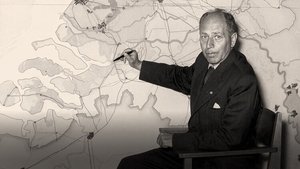
Could the flood disaster have been prevented? In the aftermath of the Second World War, Walcheren was flooded to chase away the Germans and liberate Zeeland. The Braakman, an estuary of the Western Scheldt, was closed in 1952 and the whole of Zeeland took part in it. In between all this, hydraulic engineer and Rijkswaterstaat employee Johan van Veen wrote the first Delta Plan: well before the disaster he warned that the dikes could break.