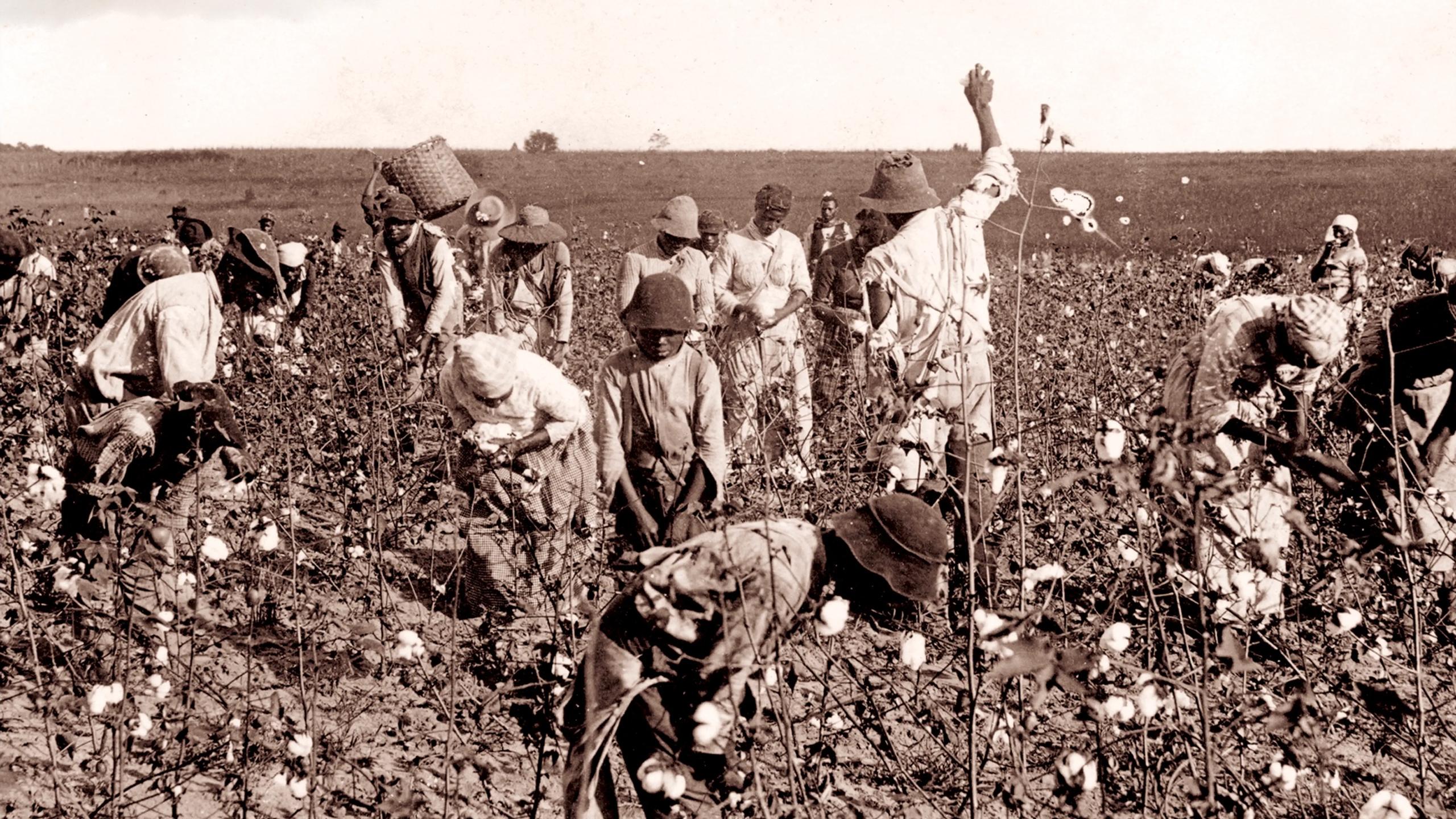

The 1620s. Eleven men of African descent and mixed ethnicity enter into slavery in New Amsterdam. Working side by side with white indentured servants, these men labored to lay the foundations of the Dutch colony that would later become New York. No law then defined the limitations imposed on slaves. Anthony d'Angola, Emmanuel Driggus, and Frances Driggus could bring suits to court, earn wages, and marry. After the 1731 Stono Rebellion, many colonies adopted strict "black codes" transforming the social system into one of legal racial oppression.
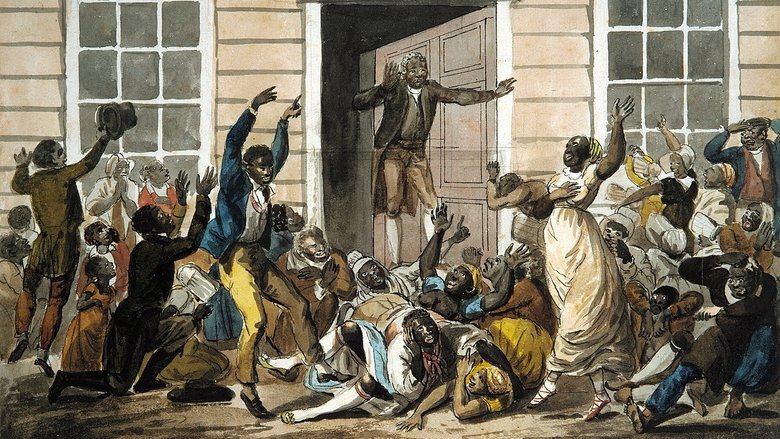
The 1740s to the 1830s. As the slave population reproduces, American planters become less dependent on the African slave trade. Ensuing generations of slaves develop a unique culture that blends elements of African and American life. African Americans, including Thomas Jefferson's slave Jupiter, Colonel Tye, Elizabeth Freeman, David Walker, and Maria Stewart, respond to the increasingly restrictive system of slavery. The Revolutionary War reveals the contradictions of a nation seeking independence while simultaneously denying freedom to its black citizens.