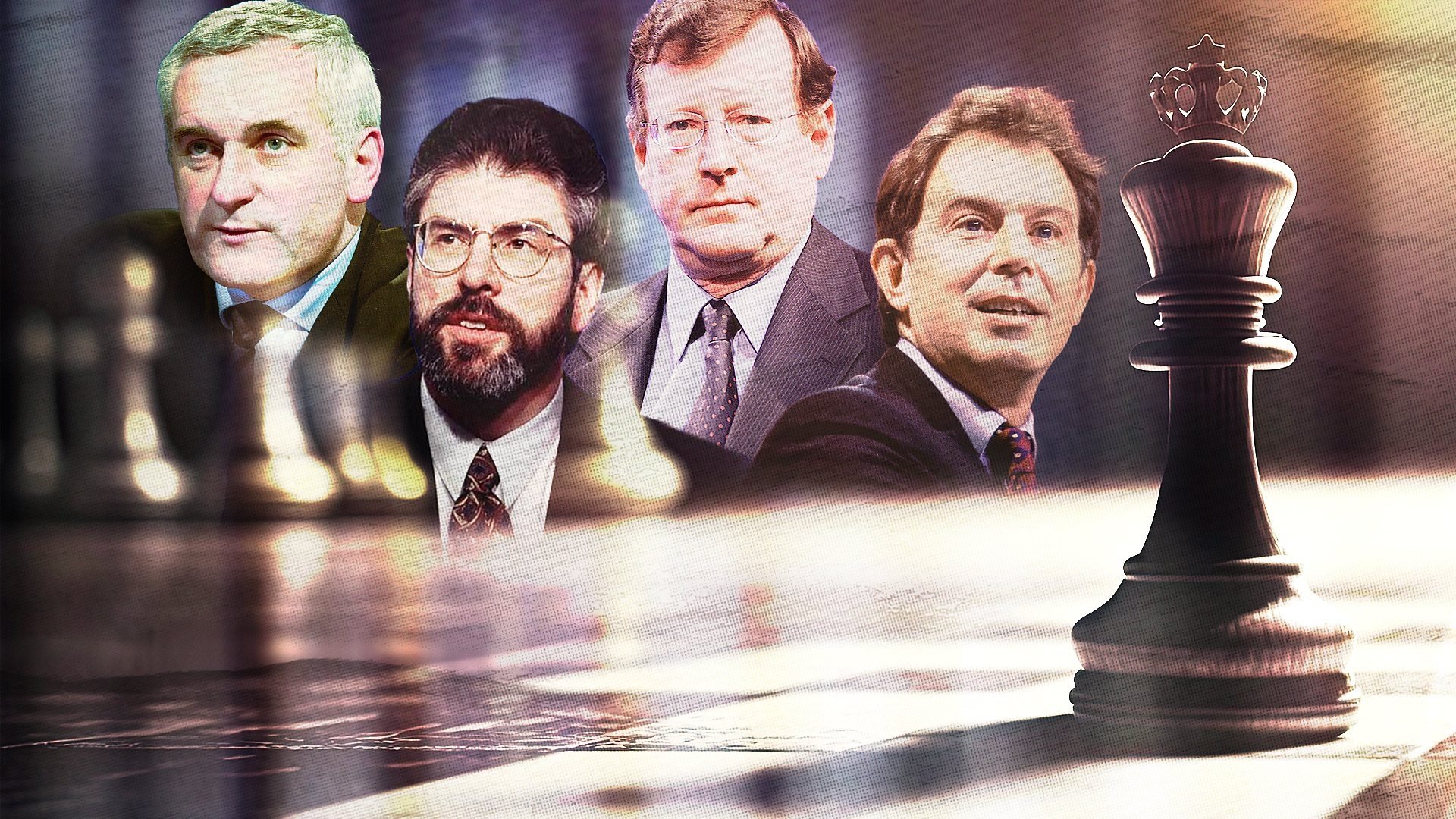
In April 1981, Bobby Sands, an IRA prisoner on hunger strike, won a seat at Westminster, inadvertently starting the endgame in Northern Ireland. Galvanised by this success, Sinn Fein's leader, Gerry Adams, was elected to Parliament in 1983, alarming Irish Prime Minister Garret FitzGerald, who eventually persuaded Mrs Thatcher to sanction the Anglo-Irish agreement by giving Dublin a small say in running Northern Ireland.
In February 1991, Prime Minister John Major survived an IRA mortar attack. But this wasn't the only message he received from the Republican movement - while publicly the British government refused to talk to terrorists, behind the scenes covert communications began.