Loading player...
The Drug Years
S1 E1- Break On Through
0.0
2006
1 Seasons
From the breakthrough, heroin-laced sounds of Charlie Parker, to the "bop prosody" of Jack Kerouac and Allen Ginsberg, to the "tune in, turn on, drop out" psychedelic mantra of Timothy Leary, and the communal "acid tests" of Ken Kesey and the Merry Pranksters. and finally to the explosion of creativity and social change in San Francisco's Haight Ashbury in the mid-'60s.
Seasons
Episodes
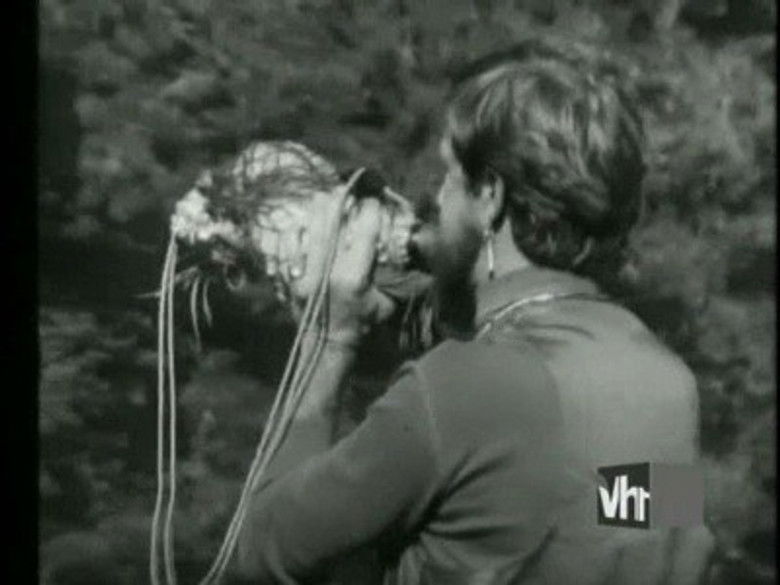
1. Break On Through
60mFrom the breakthrough, heroin-laced sounds of Charlie Parker, to the "bop prosody" of Jack Kerouac and Allen Ginsberg, to the "tune in, turn on, drop out" psychedelic mantra of Timothy Leary, and the communal "acid tests" of Ken Kesey and the Merry Pranksters. and finally to the explosion of creativity and social change in San Francisco's Haight Ashbury in the mid-'60s.