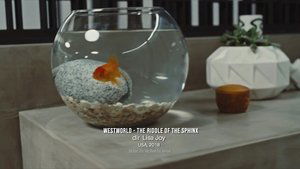
“Openings”. With examples from 1943 to 2013, from China to Iran, Australia to Finland, we look at how to open a film: from mysterious, direct, floating, foreboding beginnings to plunging straight in. All are instructive in how to create an immediate world. “Tone”. What’s the tone of a film—not its story or theme, but what its world feels like? This chapter looks at the myriad ways in which directors set the tones of their films: delight, anger, poetry, double tones, moral seriousness, caring, edginess, and violence.


“Believability”. It’s easy to spot, but not so easy to understand. Believability is about simple human stories, the truth about life, real emotions, and responding to the world. How do directors create a reality without it feeling fake? True stories can help. But what’s the trick? “Introducing Character”. Going to a house, overhearing people, witnessing bizarre action—there are many ways to meet people and be introduced to characters in films. “Meet Cute”. The classic Hollywood trope of a “meet cute” invites a variety of interpretations, from intimate glimpses to worlds colliding spectacularly.