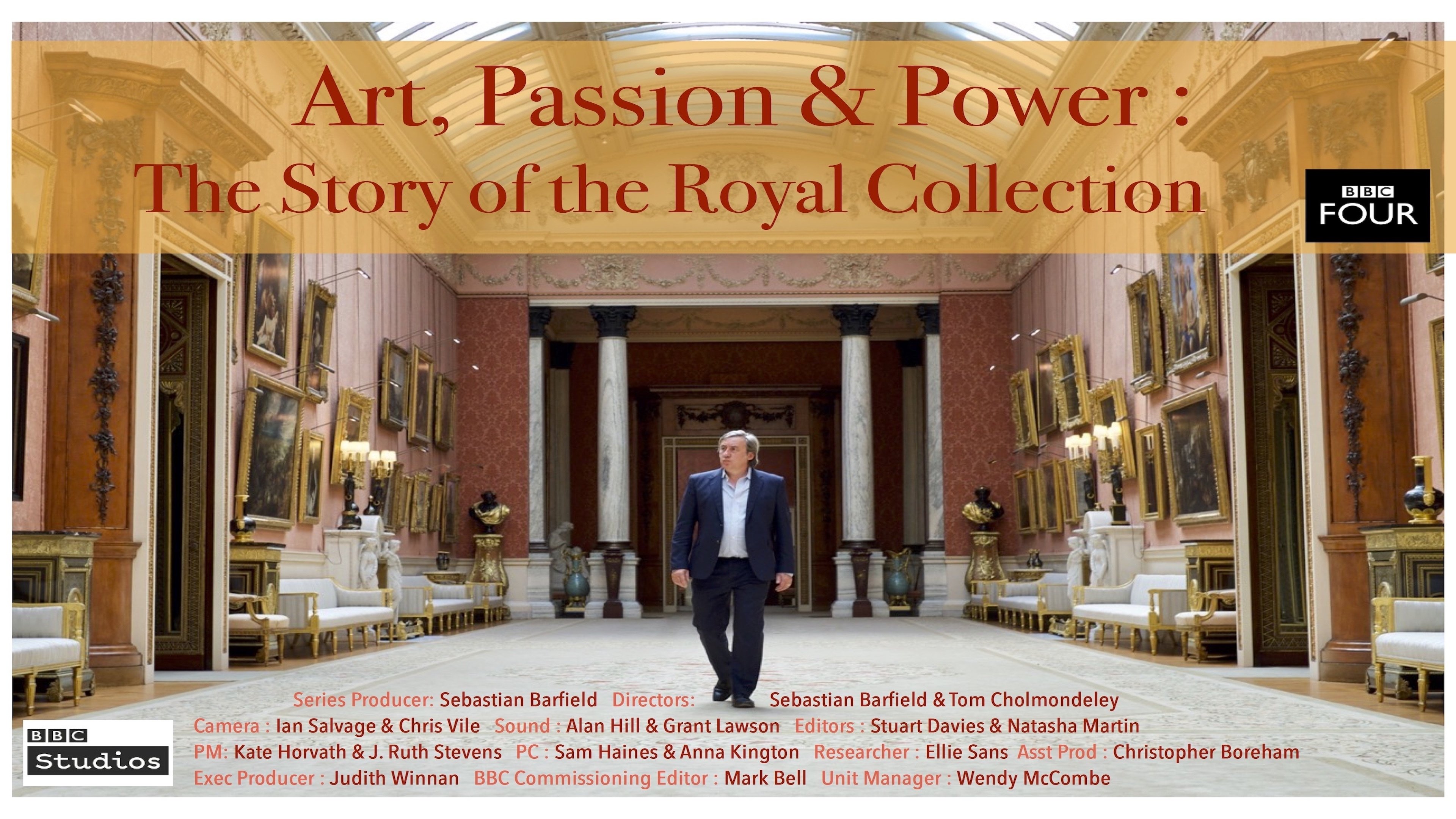
In this first episode, Andrew marvels at the works acquired by the great founders of the modern Royal Collection - Henry VIII and Charles I. Henry VIII deployed the most essential rule of royal collecting, that great art projects great power. Andrew decodes The Story of Abraham series of tapestries in Hampton Court Palace's Great Hall, explaining how these luxury artworks contain a simple message for his terrified court - obedience.
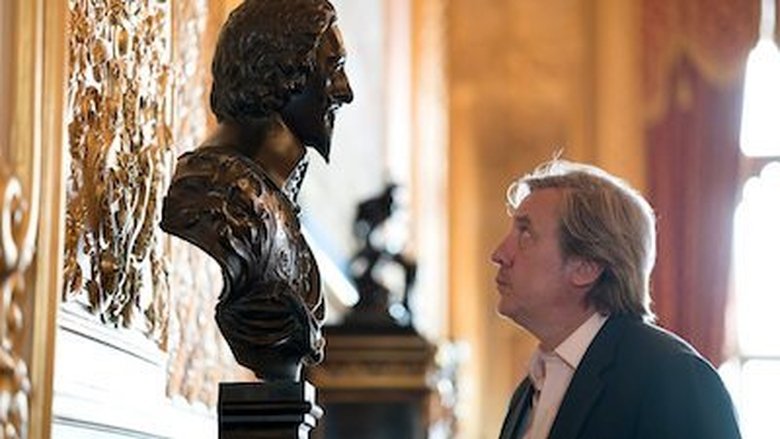
In the year 1660, something miraculous began to happen. After the execution of Charles I, the Royal Collection had been sold off and scattered to the four winds. But now, with the restoration of Charles II, the monarchy was back. And with it their driven, sometimes obsessive, passion for art. Slowly but surely, new pieces were acquired, as others were returned out of fear of reprisal. The Royal Collection had sprung back to life. Andrew Graham-Dixon tells the story of the Royal Collection's remarkable resurrection, following its fortunes from Charles II through to the 18th century and the enlightened purchases of George III. This is when some of the Queen's greatest treasures were collected - a magnificent silver-gilt salt cellar in the form of castle, kept in the Tower of London, a gold state coach, adorned with cherubs and tritons, and masterpieces by Vermeer, Canaletto and Leonardo da Vinci.