In the first episode, Neil finds out how the modern shape of the musical was established through a series of pioneering works, from Jerome Kern and Oscar Hammerstein's Show Boat in the 1920s with its bold take on America's racial divide and innovative use of songs that further the narrative, to Alan Jay Lerner and Frederick Loewe's My Fair Lady, which made a star of Julie Andrews in the late 1950s. Neil also reveals the songwriting secrets of some much-loved numbers, including Ol' Man River, Oh, What a Beautiful Mornin', and If I Loved You.
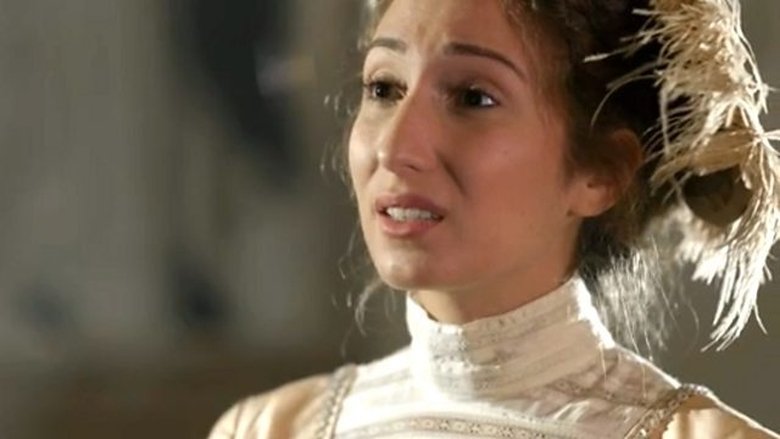
Neil Brand explores how a new generation of composers transformed musical theatre by embracing more gritty, challenging subjects, from the mean streets of 1950s New York in West Side Story, to the Dickensian London of British blockbuster Oliver!. Neil learns the stories behind Broadway hits Fiddler on the Roof and A Chorus Line, and celebrates the groundbreaking work of Stephen Sondheim. And Neil takes us step by step through the secrets of some classic numbers with the help of star performers Robert Lindsay and Frances Ruffelle.