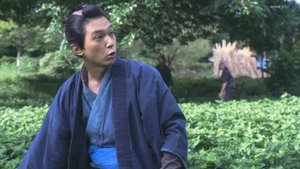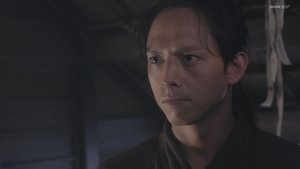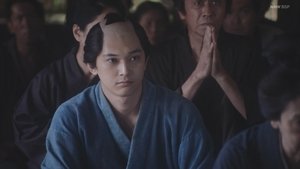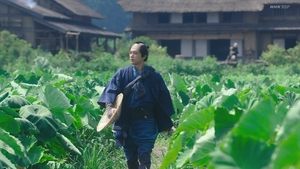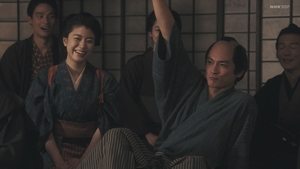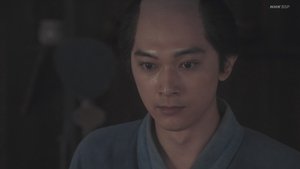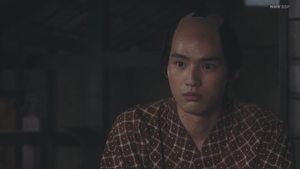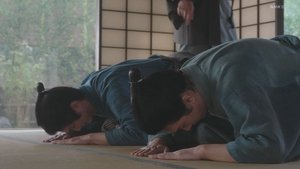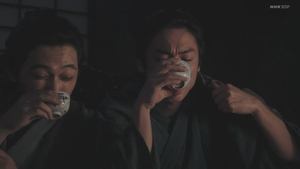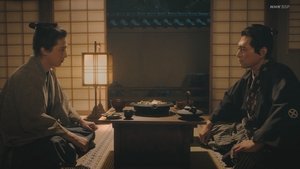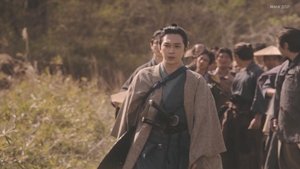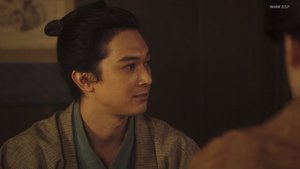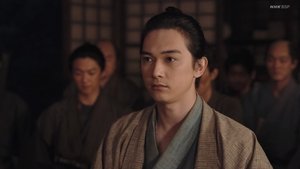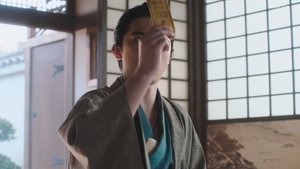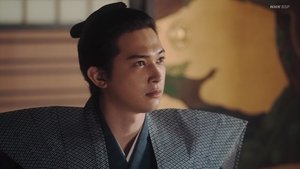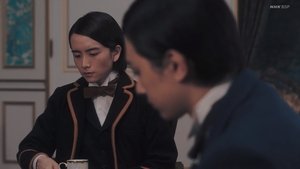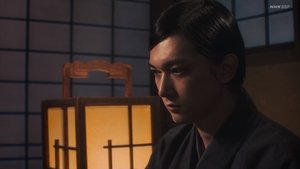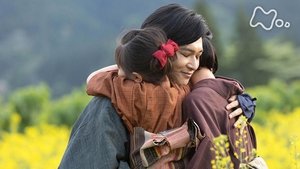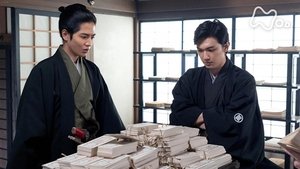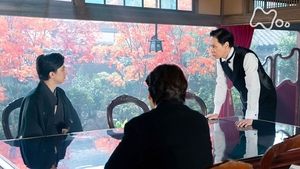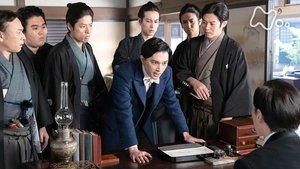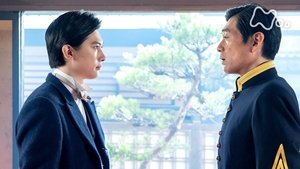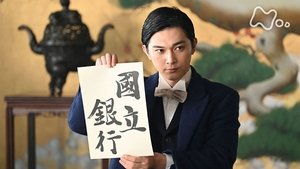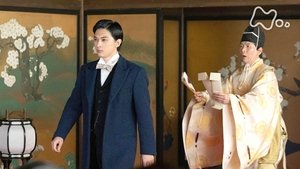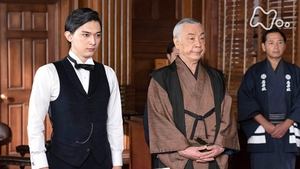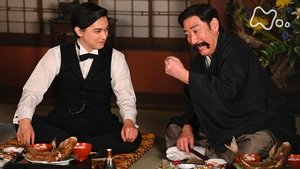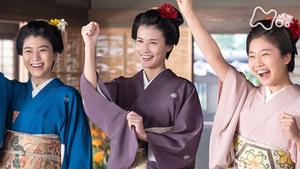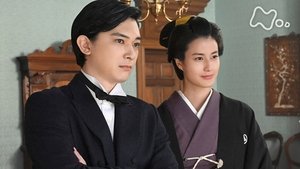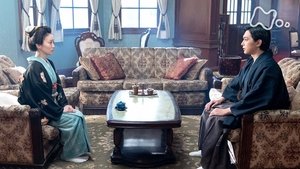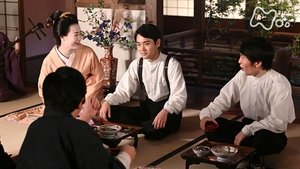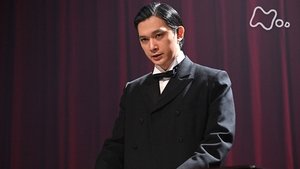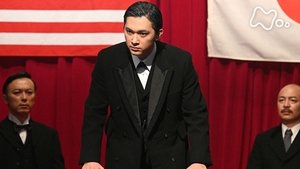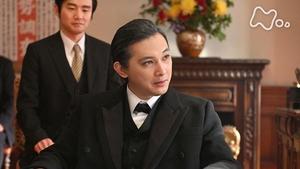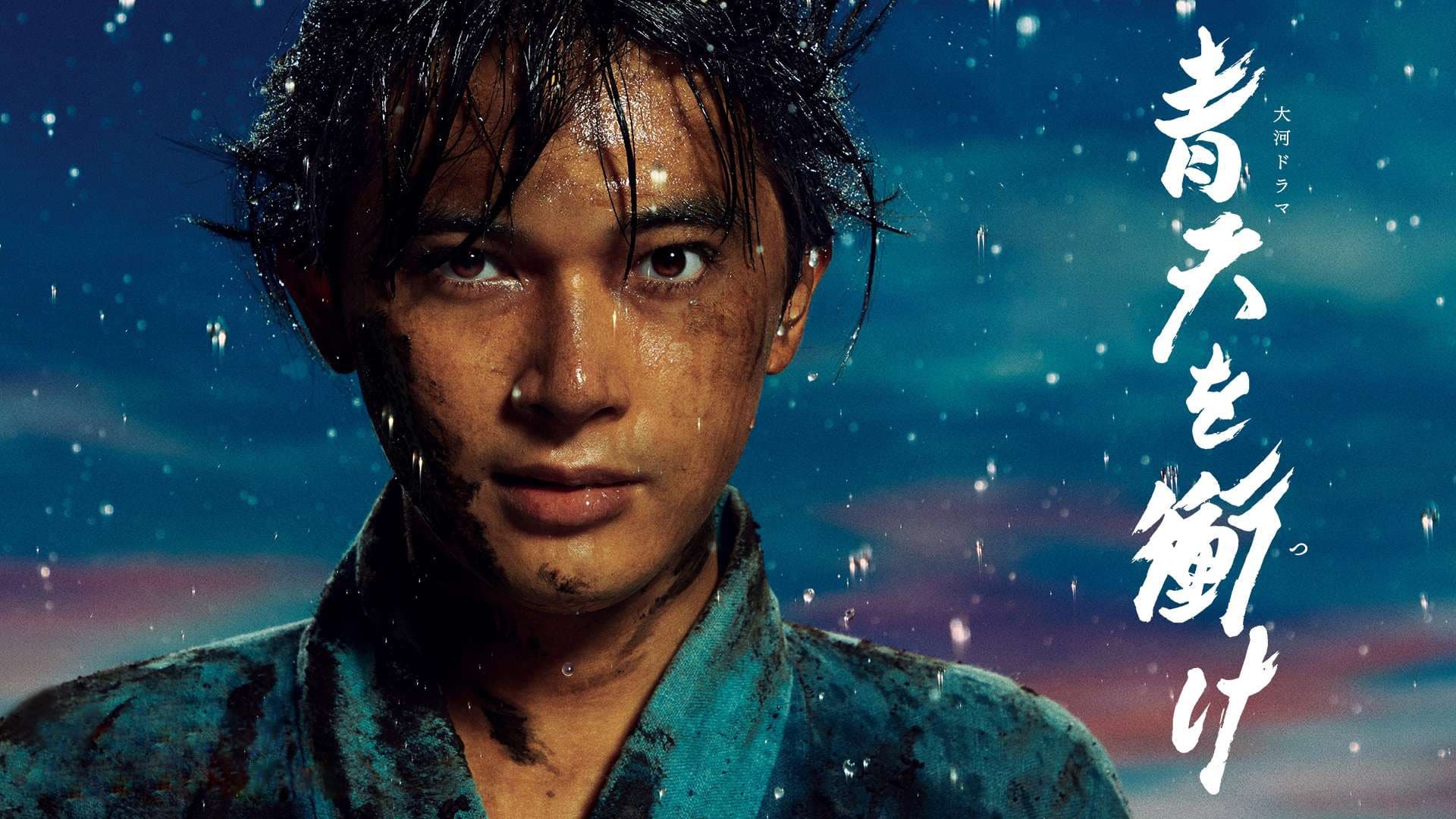
The 60th historical drama depicts the life of Shibusawa Eiichi, known as the Father of Capitalism in Japan. He lived from the mid-19th to early 20th century, contributing to around 600 public projects, and led around 500 enterprises to success. He also committed to international relations and was nominated to Nobel Peace Prize twice. He kept on challenging with high aspirations throughout the life and his well-calculated planning and sincere work opened up the way to the future of modern Japan.
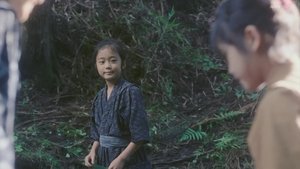
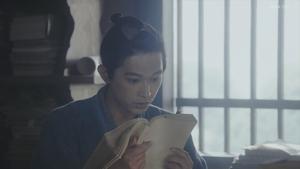
Eiichi learns the indigo trade from his father Ichiroemon and reading from his cousin Shingoro. However, his greatest pleasure is to perform the lion dance at the village festival. However, due to adult circumstances, the festival was canceled. Eiichi is disappointed, but he comes up with a plan. On the other hand, Shichiro Maro, who was adopted by the Hitotsubashi family, changed his name to Yoshinobu and was loved by the Shogun Ieyoshi as if he were his own son. Nariaki, now in retirement, attempts to return to politics with his son as his only hope. Then, Perry is coming to Japan...