Loading player...
Welcome to the Nanoworld!
S1 E1- From Micro to Nano
0.0
2010
1 Seasons
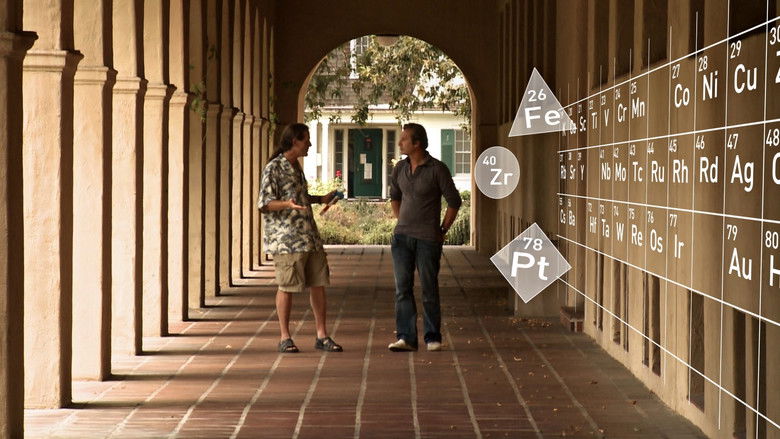
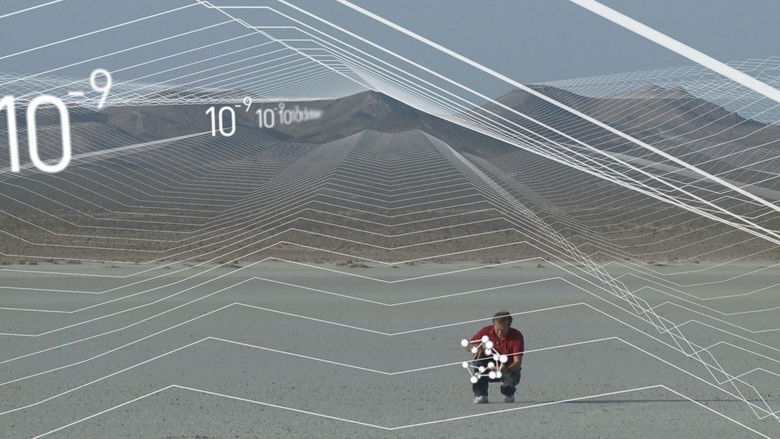
In the first episode, we pass from the micro world of the 20th century to the nanoworld of the 21st. We discover how, by forgetting the traditional fabrication of objects from blocks of raw material, the idea of assembling objects atom-by-atom came about. It all began with a microscope that could touch upon atoms . . . If they could be touched, why not pushed and collected? And chance played a hand in the first structures – nanotubes. Structures with astonishing properties, since, at this scale, the behaviour of matter changes. As initial applications were conceived, industrial and economic issues arose, leading Europe, the United States and Asia to make impressive efforts to master the techno science of the 21st century. We will be guided by the first discoverers and researchers at the forefront, several of whom several are now Nobel laureates. With them, we will approach the ultimate logic of nanotechnologies whereby any object can theoretically be assembled from atoms!
Seasons
Episodes
1. From Micro to Nano
52mIn the first episode, we pass from the micro world of the 20th century to the nanoworld of the 21st. We discover how, by forgetting the traditional fabrication of objects from blocks of raw material, the idea of assembling objects atom-by-atom came about. It all began with a microscope that could touch upon atoms . . . If they could be touched, why not pushed and collected? And chance played a hand in the first structures – nanotubes. Structures with astonishing properties, since, at this scale, the behaviour of matter changes. As initial applications were conceived, industrial and economic issues arose, leading Europe, the United States and Asia to make impressive efforts to master the techno science of the 21st century. We will be guided by the first discoverers and researchers at the forefront, several of whom several are now Nobel laureates. With them, we will approach the ultimate logic of nanotechnologies whereby any object can theoretically be assembled from atoms!